Drug Addiction in Ohio: How OARRS Links Risk to Resources
Ohio's action to drug addiction sits at the intersection of clinical care, public security, prescribing obligation, and long-lasting recovery assistance. That crossway can be challenging to navigate for households, clients, prescribers, and treatment companies alike. An individual might first show signs of threat in a physician's office, an emergency situation department, a drug store, a probation setting, a workplace, or at home. The path from "something is wrong" to "someone is getting the best care" is seldom straight.
One of the most essential tools because course is OARRS, Ohio's statewide electronic database for controlled-substance dispensing information. OARRS is not treatment by itself. It does not detect drug addiction, replace medical judgment, or tell a household what to do after an uncomfortable discovery. Its value is more practical and particular: it offers prescribers and pharmacists a clearer view of controlled-substance giving patterns so they can prescribe more securely and identify when an individual might require support, intervention, or referral.
That difference matters. Drug addiction treatment is successful when threat is consulted with resources, not merely suspicion. Ohio law recognizes this by needing a community-based continuum of care for opioid and co-occurring drug addiction. That continuum includes detoxification services, outpatient levels of care, medication-assisted treatment, peer support, property services, healing real estate, and several paths to recovery. OARRS can assist bring danger into view. The bigger treatment system needs to carry the person forward.
What OARRS is and what it is not
OARRS represents Ohio Automated Rx Reporting System. It is Ohio's drug-monitoring system, a statewide database that collects controlled-substance giving details. In practical terms, it allows licensed users to examine controlled-substance prescription histories as part of safe prescribing and dispensing.
The core concept is basic. Controlled substances can be appropriate and essential. A patient recuperating from surgical treatment, handling cancer discomfort, dealing with severe stress and anxiety in restricted scenarios, or receiving medication for a recognized medical condition might have legitimate prescriptions. At the same time, specific dispensing patterns can raise concern. A person might be getting overlapping prescriptions, looking for medications from several sources, intensifying use, or showing signs that prescribed medication is no longer being used safely.
Without a shared tracking system, each prescriber or pharmacist might see only one piece of the picture. OARRS assists connect those pieces. It supports much safer medical decisions by making controlled-substance information readily available in a structured way.
What OARRS does refrain from doing is equally important. It does not prove that somebody has drug addiction. It does not determine whether a client is honest or unethical. It does not immediately differentiate undertreated discomfort from misuse, or bad coordination of care from intentional deception. It likewise does not replace a careful discussion. A report can raise a question, however a clinician still has to ask what is occurring, assess danger, file thinking, and react appropriately.
That response should not be limited to cutting off medication or cautioning the client. In some cases a medication change is required. In some cases closer monitoring is needed. In some cases the best next action is an evaluation for substance usage disorder and referral to drug addiction treatment. The very best usage of OARRS is not punitive. It is clinical and preventive.
The Ohio context: threat seldom appears alone
Drug addiction in Ohio can not be separated from co-occurring drug use, mental health signs, pain, trauma, real estate instability, household stress, and access barriers. Ohio law's language around a "continuum of care" reflects what specialists see everyday: people do not all require the very same service at the same time.
An individual who has actually been taking opioids for years and starts utilizing other compounds might require medical stabilization before any significant treatment can start. Another person might be physically steady however not able to stop usage while residing in the exact same environment. A third individual might have depression, stress and anxiety, or injury signs driving repeated relapse. Another may need peer support more than a higher level of clinical care once the severe crisis has passed.
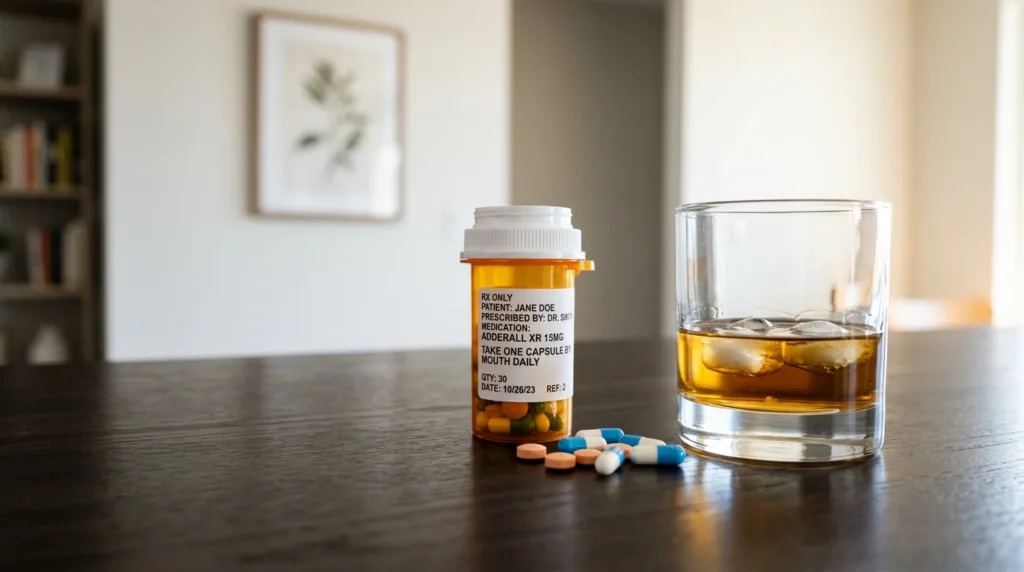
OARRS is most useful when it is comprehended as an early caution tool within that larger landscape. It can expose threat related to controlled substances, however lots of forms of drug addiction involve substances that may not appear in a prescription monitoring database. Illicit fentanyl, methamphetamine, cocaine, and non-prescribed medications gotten outside the health care system might be main to a person's compound use. OARRS can assist, but it can not see everything.
That limitation ought to make providers more thoughtful, not less engaged. If an OARRS evaluation raises issue, the next step needs to be assessment, conversation, and connection. If it reveals no concerning pattern, but the patient or household reports intensifying usage, the concern still deserves attention. A tidy report is not the same as absence of addiction.
From prescribing data to a real conversation
The hardest moment often comes when a company has to move from data to discussion. A prescriber might see a pattern in OARRS that recommends threat. A pharmacist may discover a worrying controlled-substance history. A patient may be defensive, frightened, embarrassed, or upset. The way that conversation begins can figure out whether the individual shuts down or accepts help.
A beneficial technique is direct however not accusatory. Rather of stating, "You are abusing medication," a provider might say, "I examined your controlled-substance history, and I'm concerned that your present medication pattern may not be safe. I wish to comprehend what has actually been taking place and talk about choices." That sort of language leaves room for truth. It also keeps the concentrate on safety.
There are edge cases. A patient may have just recently altered physicians. They may have had a complex surgical treatment, an emergency situation department check out, or a genuine factor for multiple prescriptions in a short duration. A caregiver may be handling medications badly. An individual may be dependent on a medication without fulfilling the full medical image of dependency. The report unlocks, but the evaluation needs to walk through it carefully.
When drug addiction is present, shame is typically currently in the space. Patients might have lost tasks, strained marital relationships, concealed usage, or broken pledges to themselves. A severe reaction can push them far from care. An unclear reaction can miss a dangerous pattern. Great clinical practice discovers the happy medium: clear boundaries, thoughtful interaction, and instant linkage to proper resources.
Why Ohio's continuum of care matters
Ohio law requires a community-based continuum of care for opioid and co-occurring drug addiction. That phrase might sound governmental, however it describes a deeply useful truth. Healing normally requires more than one service, and the best service changes over time.
Ambulatory and sub-acute cleansing address the medical side of withdrawal and stabilization. Outpatient services permit individuals to receive care while continuing aspects of daily life. Extensive outpatient services provide more structure when weekly therapy is not enough. Medication-assisted treatment can be vital for some individuals with opioid addiction. Peer support brings lived experience into the recovery process. Residential services use a secured setting when home life or symptom seriousness makes outpatient care too vulnerable. Recovery real estate can support the transition from treatment into everyday living. Several pathways to healing acknowledge that individuals engage, heal, and maintain modification in various ways.
The word "continuum" is very important because it avoids a common mistake: treating rehab as a single occasion. A person may begin in detox, transfer to residential treatment, step down to outpatient care, continue medication-assisted treatment if clinically appropriate, and count on peer support and healing housing throughout reintegration. Another person might never need residential treatment however might do well with outpatient care, medication, household assistance, and tracking. Still another might require mental health treatment in a domestic setting because compound usage and psychiatric symptoms are tangled together.
OARRS can determine a point of danger. The continuum determines what takes place next.
Matching concern to level of care
A controlled-substance pattern in OARRS may raise issue, however the right level of care depends on the person's medical condition, safety, withdrawal danger, psychiatric needs, support system, and ability to operate. The very same report might cause different choices for various patients.
Consider two individuals with worrying opioid prescription histories. One is taking more medication than recommended, feels withdrawal when trying to stop, and has actually started buying tablets outside healthcare. This person might require a clinically monitored evaluation and potentially cleansing or medication-assisted treatment. Another has overlapping prescriptions after seeing multiple experts, however no loss of control, no compulsive use, and no intoxication or withdrawal pattern. Addiction Treatment in Ohio That individual may require collaborated recommending, medication reconciliation, and closer tracking rather than formal addiction treatment.
The difference is not always apparent initially. Suppliers need time, concerns, and sometimes collateral details. Families may see what the report can not: seclusion, state of mind modifications, missing out on cash, risky driving, dozing, or duplicated crises. Clients might disclose more when they notice that aid is genuinely available.
When treatment is shown, accreditation matters. Ohio treatment providers that provide substance use condition treatment need to be accredited by the Ohio Department of Mental Health and Dependency Services under state law. For clients and households, this is not a small administrative information. Certification assists establish that a provider operates within recognized state requirements for substance use disorder treatment. It must become part of any due diligence when picking care.
Medication-assisted treatment and the truth of stigma
Medication-assisted treatment belongs to Ohio's needed continuum of look after opioid and co-occurring drug addiction. Its addition shows a useful understanding of opioid addiction: for many people, medication can reduce cravings, support stability, and lower the threat of returning to unsafe usage when integrated with proper scientific care.
Stigma stays a barrier. Some households believe that utilizing medication implies a person is not genuinely in recovery. Some patients fret they will be evaluated. Some neighborhoods still divide recovery into "real" healing and medication-supported recovery. That department can be damaging. Ohio's recognition of medication-assisted treatment as part of the continuum includes clinical judgment rather than ideology.
Not everyone requires the exact same medication plan. Not every person with drug addiction will receive medication-assisted treatment. The point is not to require one design onto every patient. The point is to preserve access to a proven path when it fits the diagnosis, history, and treatment objectives. Numerous pathways to healing matter due to the fact that the population is diverse. People vary in biology, injury history, family assistance, inspiration, regression threat, and prior treatment experience.
An expert method leaves space for customized care. It also sets expectations. Medication alone is not the whole response for the majority of people. Therapy, peer assistance, household work, healing preparation, and attention to psychological health often identify whether early stabilization becomes enduring change.
When psychological health and addiction travel together
Drug addiction and mental health symptoms typically relocate the same existing. Ohio's continuum specifically recognizes opioid and co-occurring drug addiction, and numerous service providers likewise deal with psychological health concerns alongside substance use. This matters due to the fact that treating one problem while ignoring the other can leave the individual vulnerable.
A patient may use opioids or sedatives to quiet panic symptoms. Another may use stimulants throughout depressive episodes to work at work. Somebody with trauma may cycle in between pins and needles and crisis. If treatment focuses just on stopping substances without attending to the underlying psychological discomfort, relapse danger may remain high. If treatment focuses only on state of mind or injury while active dependency continues, therapy may never acquire traction.
Residential treatment settings that provide primary psychological health services can be suitable for some people when signs require more structure. Outpatient care might be enough for others. The right match depends upon intensity, security, stability, and the individual's ability to participate meaningfully in treatment.
Therapies such as cognitive behavioral therapy, dialectical behavior therapy, EMDR, private therapy, group therapy, household treatment, and couples therapy might all have a place depending on the treatment service provider and the client's needs. These techniques are not interchangeable. CBT frequently helps individuals recognize and alter idea and habits patterns. DBT can be useful when emotional guideline and crisis habits are main. EMDR is typically related to trauma-focused treatment. Family and couples therapy can address patterns in the house that either support recovery or quietly undermine it.
The existence of several treatment options does not immediately imply a program is ideal for everyone. It does mean that patients and families need to ask how treatment is individualized. A long menu of services is lesser than a coherent plan.
The household's role after an OARRS-related concern
Families seldom see OARRS information straight unless it enters into a medical conversation, but they frequently deal with the effects of the patterns OARRS may assist expose. They observe medication going out early. They hear the descriptions. They feel the stress when a loved one is confronted. They also bring fear: fear of overdose, fear of allowing, fear of being too severe, fear of doing nothing.
A household's best function is not to become a detective agency or a substitute clinician. It is to support honest assessment and connection to care. That can imply motivating the person to talk with a company, assisting arrange an examination, taking part in household treatment when appropriate, or setting limits around hazardous behavior.
The limit piece is difficult. Households frequently confuse empathy with unlimited rescue. They pay debts, reason absences, hide issues from companies, or soften every consequence. Often they do these things because they love the individual and want to avoid catastrophe. Yet drug addiction typically aggravates in secrecy. Expert assistance can assist households differentiate assistance from enabling.
A useful household response typically includes calm documents of concerns, direct communication, determination to take part in treatment planning, and attention to instant security. If an individual is intoxicated, clinically unsteady, or at risk of hurting themselves or others, the requirement for urgent aid outweighs debates about motivation.
What to ask when searching for drug addiction treatment in Ohio
Choosing a treatment provider under tension is hard. Households may be calling programs after an overdose, a hospitalization, a legal event, or a frightening discovery. Marketing language can blur the distinctions amongst services. Ohio's accreditation requirement for substance usage condition treatment providers offers families one concrete starting point, but it ought to not be the only question.
A quick set of concerns can bring clearness before admission:
- Is the provider accredited by the Ohio Department of Mental Health and Dependency Solutions to provide compound usage condition treatment?
- What levels of care are readily available, such as detoxing, domestic treatment, outpatient treatment, or intensive outpatient services?
- How does the program examine whether medication-assisted treatment is medically appropriate?
- How are co-occurring psychological health signs assessed and treated?
- What occurs after the very first phase of treatment, consisting of step-down care, peer support, recovery real estate, or continuing therapy?
These questions do not ensure a best fit, however they move the discussion from promises to specifics. A trustworthy provider needs to have the ability to explain how evaluation works, what services are actually provided, and how discharge planning starts before the last day of care.
Recreate Ohio and the full-continuum model
Recreate Behavioral Health Network identifies its Ohio location as Recreate Behavioral Health of Ohio, likewise described as Recreate Ohio, in Gahanna, just outside Columbus. The company describes the Ohio facility as providing detox, domestic or inpatient rehabilitation, and outpatient treatment. It also states that the center supplies a full continuum of care and uses main psychological health services in a property treatment setting.
That combination shows the type of layered support lots of people require. Detox might address immediate withdrawal and medical stabilization. Residential care can provide structure when an individual requires distance from triggers and everyday access to healing assistance. Outpatient treatment can assist preserve progress while the individual resumes responsibilities outside a domestic setting. The availability of main psychological health services in a domestic setting is specifically appropriate for clients whose compound use can not be separated from anxiety, stress and anxiety, injury, or other mental health concerns.
Recreate states treatment at the Ohio center may consist of CBT, DBT, EMDR, medication-assisted treatment, private therapy, group therapy, family therapy, and couples therapy. The company also explains holistic assistances that might consist of yoga and mindfulness, art treatment, experience therapy, equine treatment, Reiki, acupuncture, chiropractic care, fitness and wellness activities, and nutrition education.
Holistic supports ought to be comprehended accurately. They are not replacements for evidence-informed scientific care, medical evaluation, or proper medication when suggested. Their worth is supportive. For some patients, movement, nutrition, mindfulness, and innovative expression assistance rebuild routines and minimize stress. For others, these services may be less central than therapy, medication, or relapse-prevention planning. A strong program needs to have the ability to explain how these assistances fit into the total treatment plan instead of providing them as stand-alone cures.
Why "full continuum" need to imply movement, not a label
The phrase "complete continuum of care" appears frequently in dependency treatment, but its real value depends upon how efficiently an individual can move from one level to another. A continuum is not just a list of services. It is a coordinated path.
A client getting in detox might require domestic treatment later, however that transition can fail if preparation starts far too late. An individual leaving residential care might intend to participate in outpatient sessions, but transportation, work schedules, family dispute, or without treatment anxiety can interfere. Somebody start medication-assisted treatment might require ongoing counseling and keeping an eye on to stay engaged. Recovery real estate may be suitable for one person and unnecessary for another.
Good continuum-based care anticipates these transition points. The clinical team should be asking early: What level of care is most likely next? What barriers could interrupt participation? Is the home environment safe? Are family members helpful or exhausted? Are psychological health symptoms steady enough for a lower level of care? Does the individual comprehend the relapse risks that appear after the structure of property treatment ends?
OARRS can contribute after treatment starts as well, depending on the clinical context and licensed use. For patients with controlled-substance histories, safe prescribing and monitoring remain crucial throughout recovery. Coordination among prescribers matters. An individual must not leave treatment with unsettled medication confusion, uncertain follow-up, or several suppliers making separated decisions.
The ethical balance: safety, personal privacy, and access to care
Prescription tracking raises genuine ethical concerns. Clients have a right to be treated with dignity. They also have a right to suitable discomfort care and mental healthcare. Prescribers and pharmacists have an obligation to use illegal drugs securely and to acknowledge signs of possible misuse or addiction. Public health systems have an interest in reducing overdose danger and hazardous prescribing.
The balance is not constantly comfy. A client with a history of dependency might fear being rejected required medication. A service provider might worry about missing out on a hazardous pattern. A pharmacist might deal with pressure from both patients and prescribers. OARRS helps offer info, however info alone does not solve the ethical tension.
The best protect is scientific judgment assisted by empathy and paperwork. If concern emerges, the response should be embellished. Some patients need tighter recommending controls. Some require recommendation to drug addiction treatment. Some require a collaborated discomfort strategy. Some need immediate assessment. What they ought to not get is automated dismissal without a path to care.
Access matters because without treatment addiction brings major dangers. If monitoring identifies danger but no one assists the client reach treatment, the system has actually only finished half its job. The expression "connect individuals at risk of substance use condition to resources" is not decorative. It is the bridge in between monitoring and care.
Practical indications that threat might need a treatment response
OARRS can expose controlled-substance giving patterns, however households and clinicians often see behavioral indications too. These signs ought to be translated thoroughly. No single habits shows addiction, and lots of have other explanations. Still, patterns deserve attention, specifically when safety starts to decline.
Common issues include medications running out previously than anticipated, duplicated urgent ask for refills, using more than recommended, sedation or disability, escalating secrecy, obtaining drugs outside medical care, and withdrawal symptoms when use stops. Co-occurring mental health signs might look like panic, depression, irritation, insomnia, or psychological volatility. Household dispute often rises as the individual attempts to protect access to compounds while others try to restore safety.
The point is not to build a courtroom case. The point is to acknowledge when an expert assessment is called for. Dependency thrives when everyone waits on certainty. By the time certainty gets here, the damage may be severe.
For prescribers, OARRS findings should be integrated with scientific examination. For households, worrying behavior needs to trigger a direct but calm discussion and an approach certified help. For clients, fear https://www.recreateohio.com/addiction/ of judgment should not prevent disclosure. Treatment companies deal with ambivalence every day. Many individuals get in care unsure whether they can stop, uncertain whether they want help, or uncertain whether life can improve. Ambivalence is not failure. It is frequently the beginning point.
Turning data into recovery
Ohio's OARRS system is a risk-identification tool with a human function. At its finest, it assists prescribers and pharmacists see patterns early enough to prevent damage. It supports much safer controlled-substance prescribing. It can open the door to conversations that may otherwise occur too late.
But the much deeper work takes place after the concern is determined. Ohio's community-based continuum of care exists because drug addiction treatment requires choices. Detoxification, outpatient care, extensive outpatient services, medication-assisted treatment, peer support, property services, recovery housing, and numerous healing pathways each address different requirements. Licensed suppliers bring the responsibility of turning those options into care plans that fit genuine people.
For an individual struggling with dependency, the journey might begin with an uncomfortable OARRS-informed conversation. It might begin with a family fight, a physician's issue, a pharmacist's caution, or a minute of private fatigue. The entry point matters less than what happens next. Risk needs to be met with assessment. Evaluation has to lead to suitable care. Care needs to continue enough time, and flexibly enough, for recovery to take root.
Ohio has actually built key pieces of that structure. OARRS assists brighten threat. The treatment continuum provides locations to go. The difficulty for every expert, family member, and patient is to keep those pieces linked, so that a warning sign ends up being not a dead end, but the primary step toward recovery.
Ends · AUGUSTSOAG676